
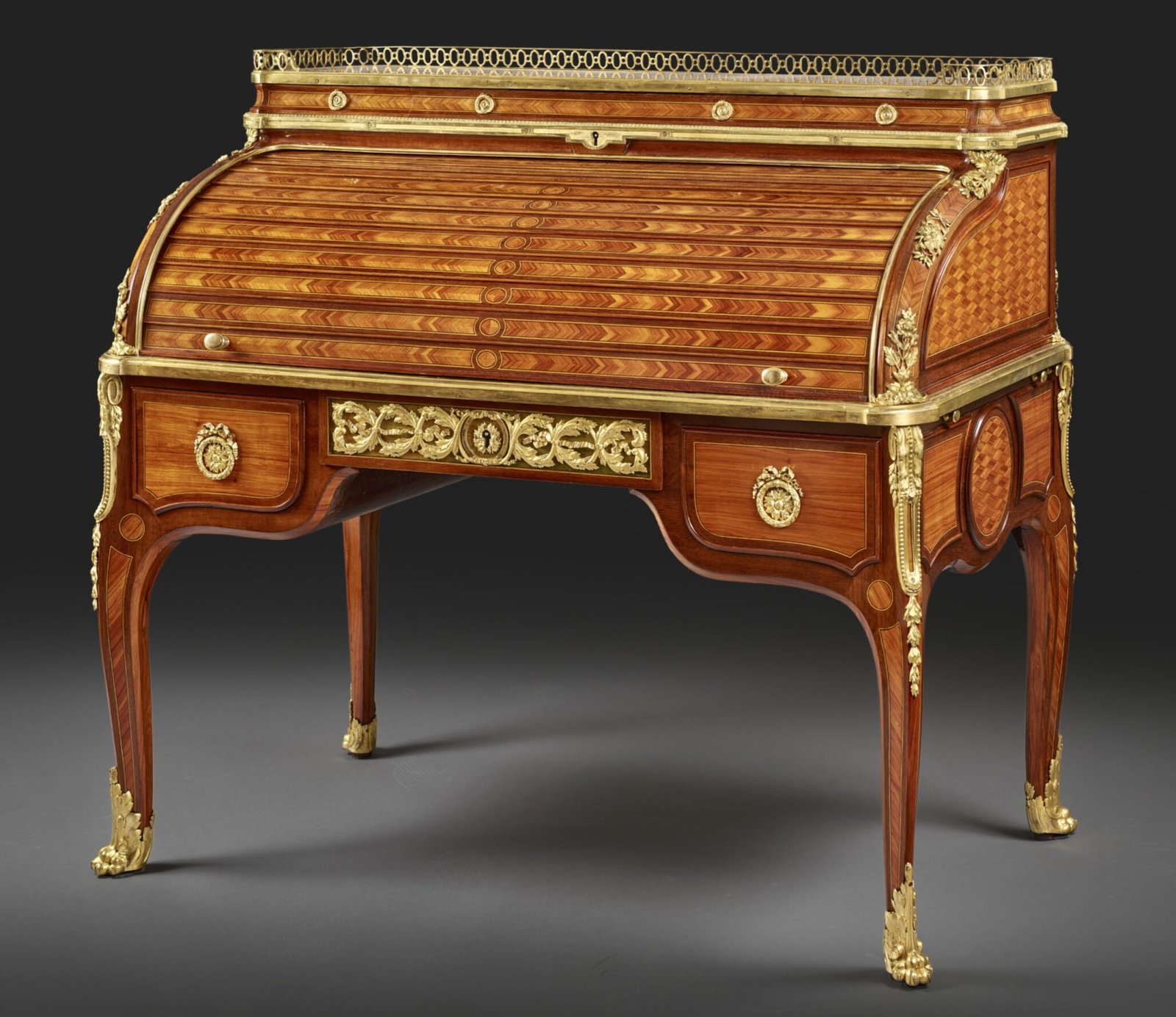
France, circa 1775–1785
Stamped J. H. RIESENER
Jean-Henri Riesener (1734−1806)
Tulipwood, amaranth, satinwood, sycamore, ebony, and holly
Chased and gilt bronze
Provenance:
- Former Stephens and Yolande Marie-Louise Lyne Stephens collection at Lynford
- Hall, Norfolk
- Former Ludwig Neumann collection at 11 Grosvenor Square, London
- Former collection of Henry Lascelles, 6th Earl of Harewood and Prince Royal, at
- Chesterfield House, London
- Former collection of Ivor Guest, 2nd Viscount Wimborne, and his descendants
Height: 120 cm – 48 inches
Width: 134 cm – 53 inches
Depth: 76 cm – 30 inches
A major work by one of the greatest cabinetmakers of the late 18th century, Jean-Henri Riesener, this desk revisits the model developed by Jean-François Œben in the early 1760s, presenting a particularly refined Neoclassical version. Its presence in prestigious English collections as early as the 19th century attests to the strong interest of British collectors of that period in French furniture from the Ancien Régime.
A ROLL-TOP DESK
Writing furniture—writing tables, desks, and secretaries—was commonly found in aristocratic interiors of the 18th century. Whether in the bedroom, salon, or private cabinet, these pieces allowed for writing a quick note, maintaining correspondence, or working alone or with others.
In the early 1760s, the cabinetmaker and mechanic to the King Jean-François Œben (1721–1763) developed a new type of writing furniture: the roll-top desk. A semi-cylindrical tambour made of wooden slats encloses the writing surface, while an ingenious locking system secures the exterior drawers. With this model, Œben addressed his clientele’s desire for sophistication, privacy, and functionality. Leather-lined writing surfaces slide out to provide additional workspace, while hidden drawers and compartments could be discreetly concealed within the structure, known only to their owner.
The roll-top desk created for the private cabinet of King Louis XV at Versailles stands as the most emblematic example of Œben’s work (Fig. 1).
Conceived in 1760, this extraordinarily complex piece showcases his full mastery as a cabinetmaker, marquetry specialist, and mechanic. He further enriched it with finely sculpted gilt-bronze mounts, enhancing its regal character. Œben entrusted part of its execution to his pupil Jean-Henri Riesener, who, following his master’s death in 1763, took over the project and completed this masterpiece in 1769.
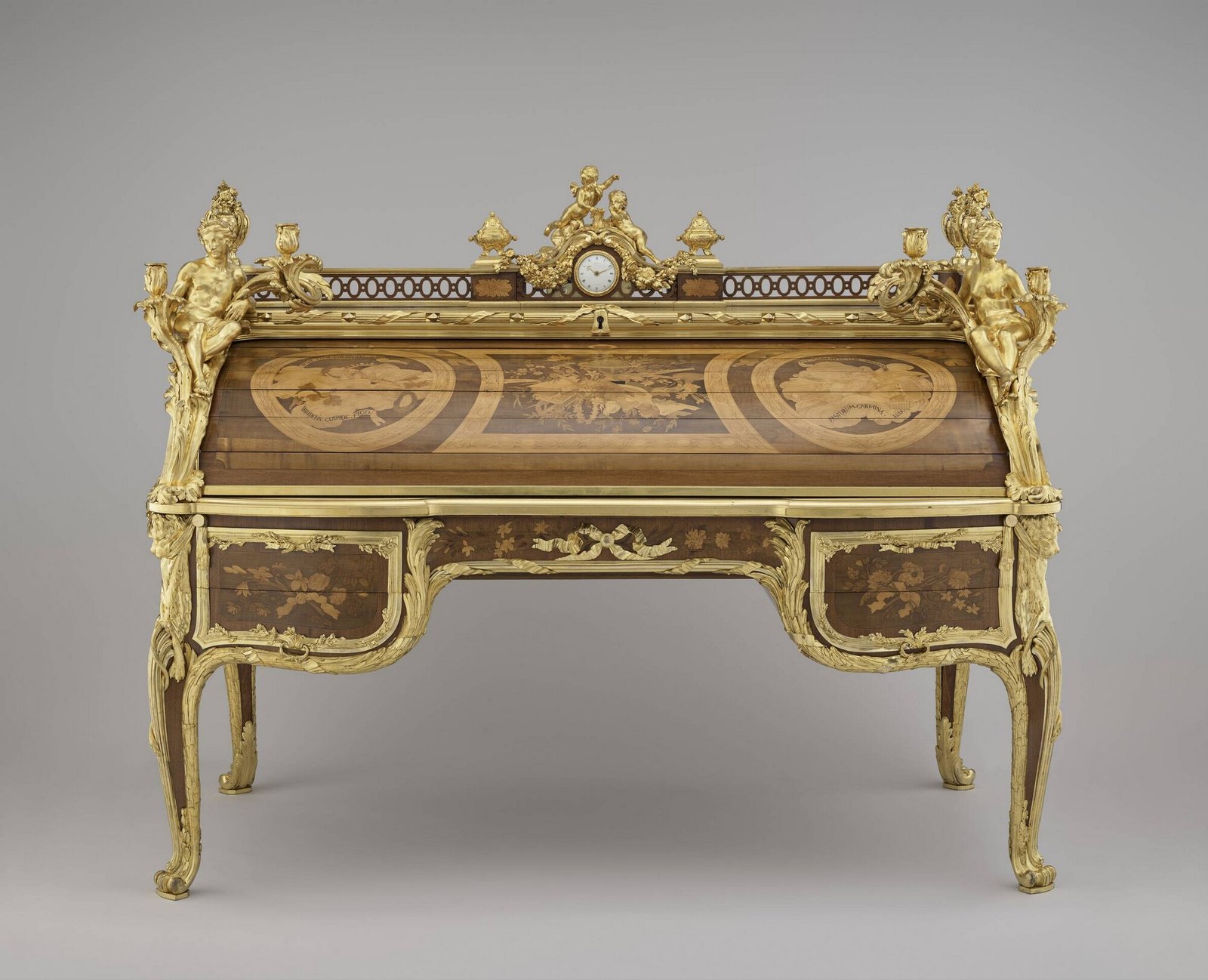
Fig. 1 — Jean-François Œben (cabinetmaking), Jean-Henri Riesener (cabinemaking), Jean-Claude Duplessis (bronze maker), King Louis XV roll-top desk, 1760–1769, Versailles, Châteaux de Versailles et de Trianon (inv. OA 5444)
© RMN-GP (Château de Versailles) / © Mathieu Rabeau
A MODEL BY JEAN-HENRI RIESENER
The delivery of this desk to Versailles proved decisive for Riesener’s career. Received as a Master in 1768, he had the previous year married Françoise-Marguerite Vandercruse (1731–1775), Œben’s widow, thereby officially taking over the workshop. In 1774, Pierre-Elisabeth de Fontanieu (1731–1784), Intendant of the Garde-Meuble de la Couronne, appointed him to succeed Gilles Joubert (1689–1775) as official cabinetmaker. Riesener subsequently fulfilled commissions for the king and the royal family, producing sumptuous furnishings for their residences.
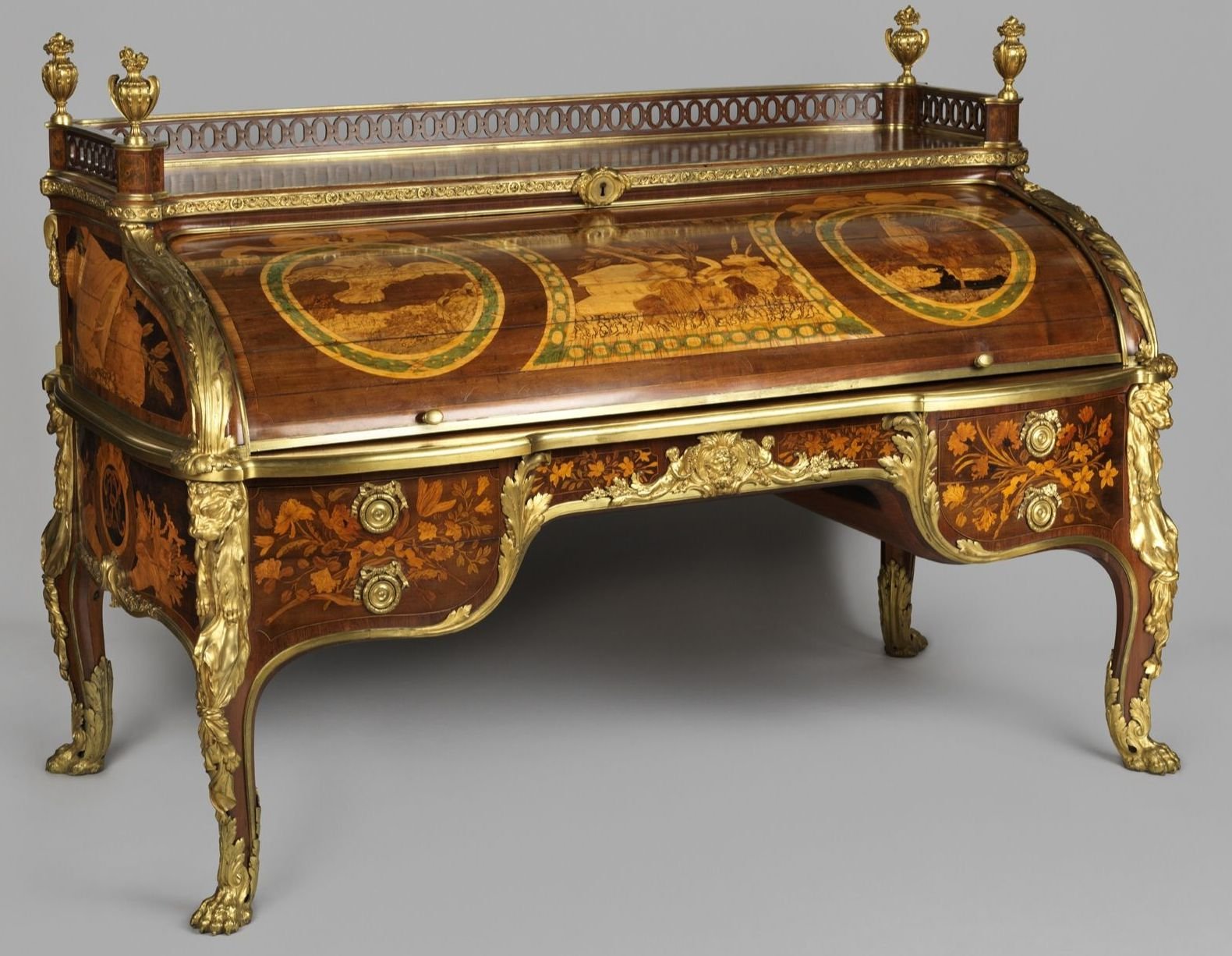
Fig. 2 — Jean-Henri Riesener (cabinetmaking), Jean-François Œben (after), Roll-top desk of the Comte d’Orsay, circa 1700, London, Wallace Collection (inv. F102), former collection of William Beckford, then John Farquhar, then Richard Seymour-Conway
© The Wallace Collection
In 1784, Guillaume Benneman (1750–1811) replaced him at the Garde-Meuble. Nevertheless, Riesener retained the favor of Queen Marie-Antoinette and continued to create works of exceptional richness for her.
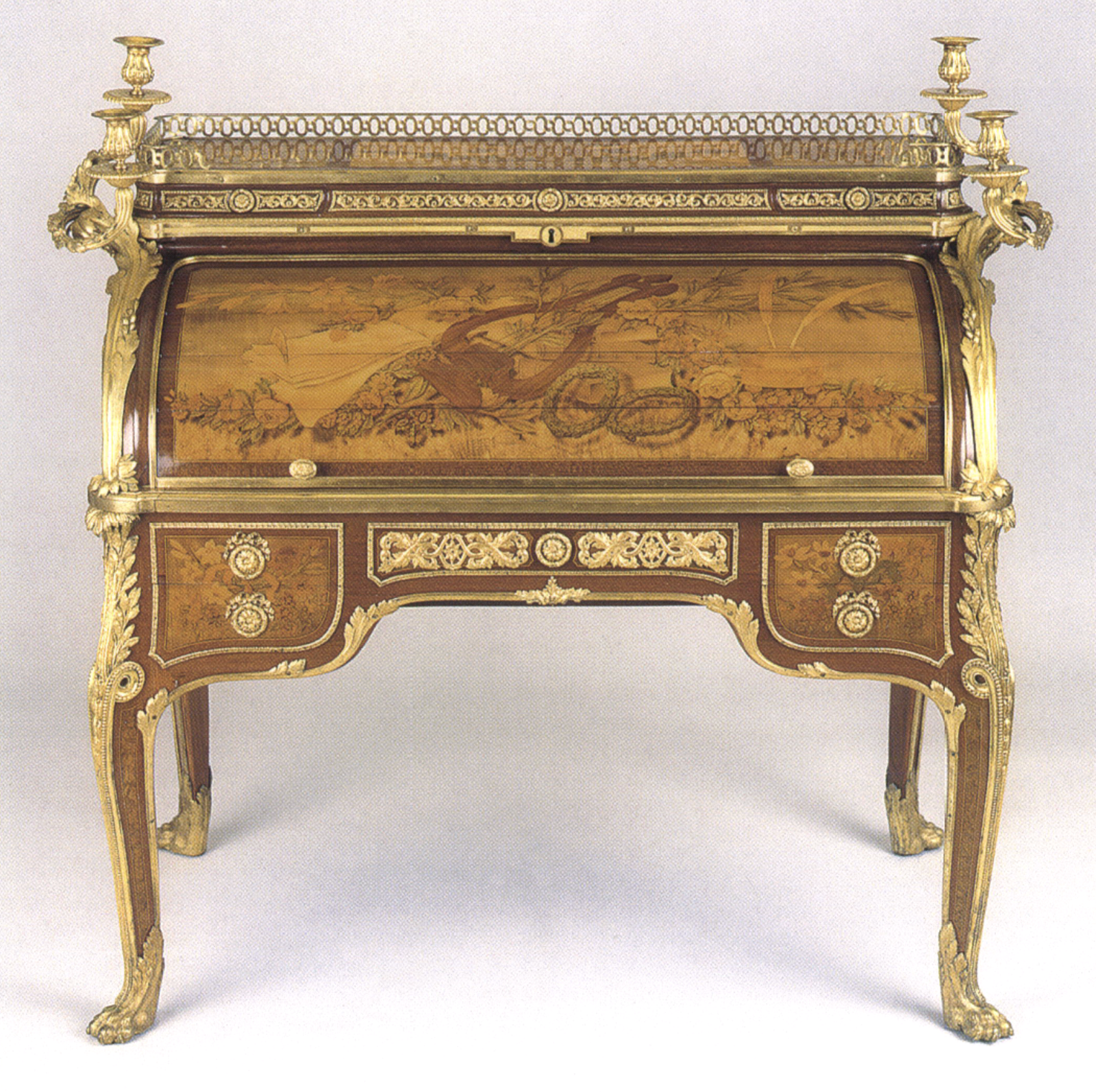
Fig. 3 - Jean-Henri Riesener (cabinetmaking attributed to), Roll-top desk, probably delivered to Madame Adélaïde, circa 1775, Waddesdon Manor, National Trust (inv. WM 2544), former collection of Baron Ferdinand de Rothschild.
He also maintained a prestigious private clientele among the highest ranks of the aristocracy.
After completing the Versailles desk, Riesener produced additional roll-top desks, likely capitalizing on the former’s fame. For the Comte d’Orsay, he created a nearly identical version, maintaining the overall form while varying the gilt-bronze mounts and marquetry decoration (Fig. 2). He later developed smaller, more practical and comfortable versions. The Comte d’Artois and Madame Adélaïde received such pieces, in which the emerging Neoclassical style becomes apparent (Fig. 3).
A DISTINGUISHED SERIES
Among these works, a group of six nearly identical roll-top desks can be identified, now preserved at the National Gallery of Art, Washington (Fig. 4), the Hôtel de Soubise in Paris, in a private collection, formerly at Mentmore Towers, at Woburn Abbey in England, and at the Musée du Louvre (Fig. 6). The sixth example is the one presented here by the gallery.
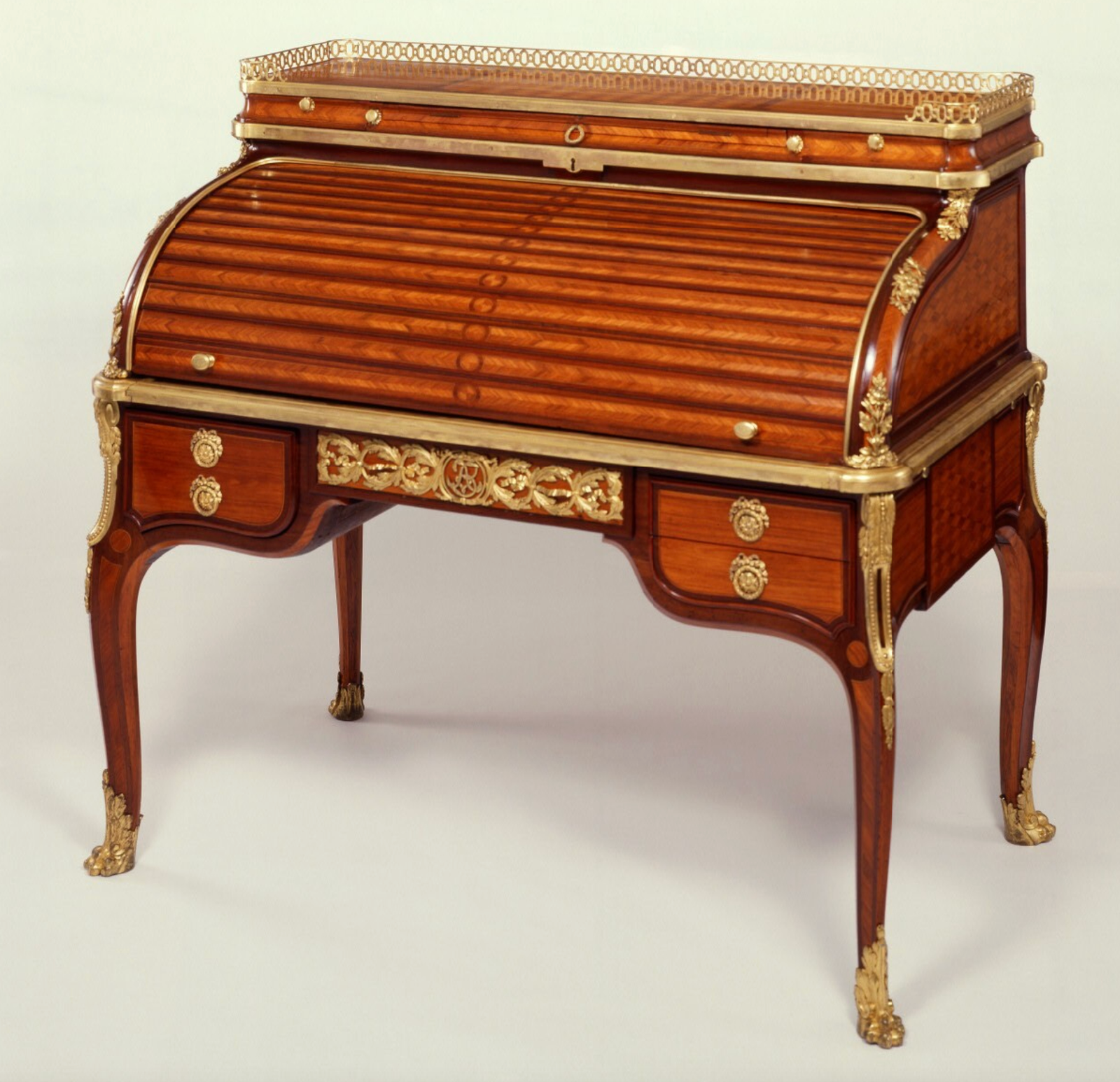
Fig. 4 - Jean-Henri Riesener (cabinetmaking), Roll-top desk, circa 1775–1785, Washington, National Gallery (inv. 1942.9.410)
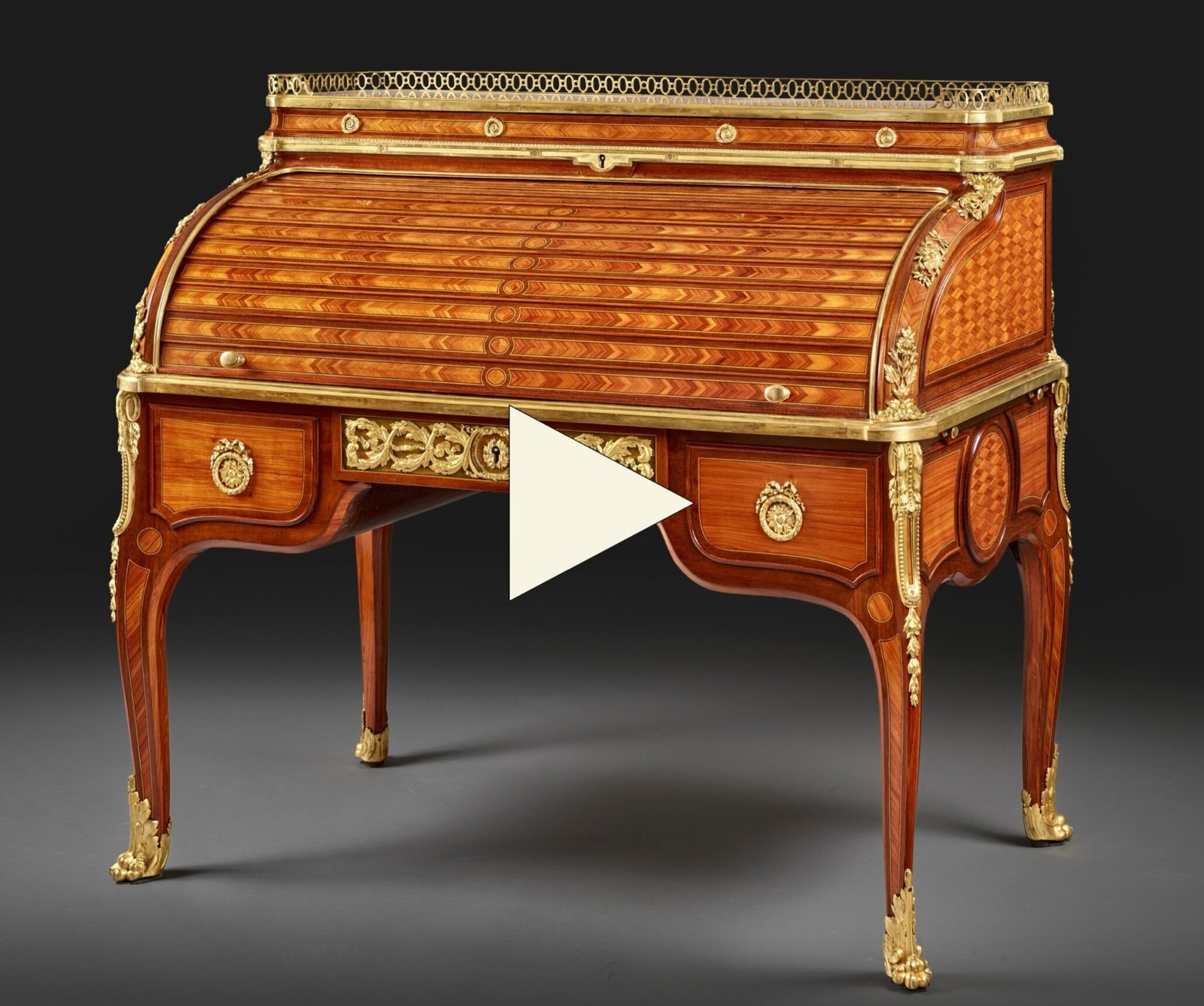
In each case, Riesener retained the overall form, reflecting a refined Transitional style, as well as the arrangement of drawers and gilt-bronze mounts. Variations appear in the details of the mounts, the presence of a superstructure, or the placement of inkwells.
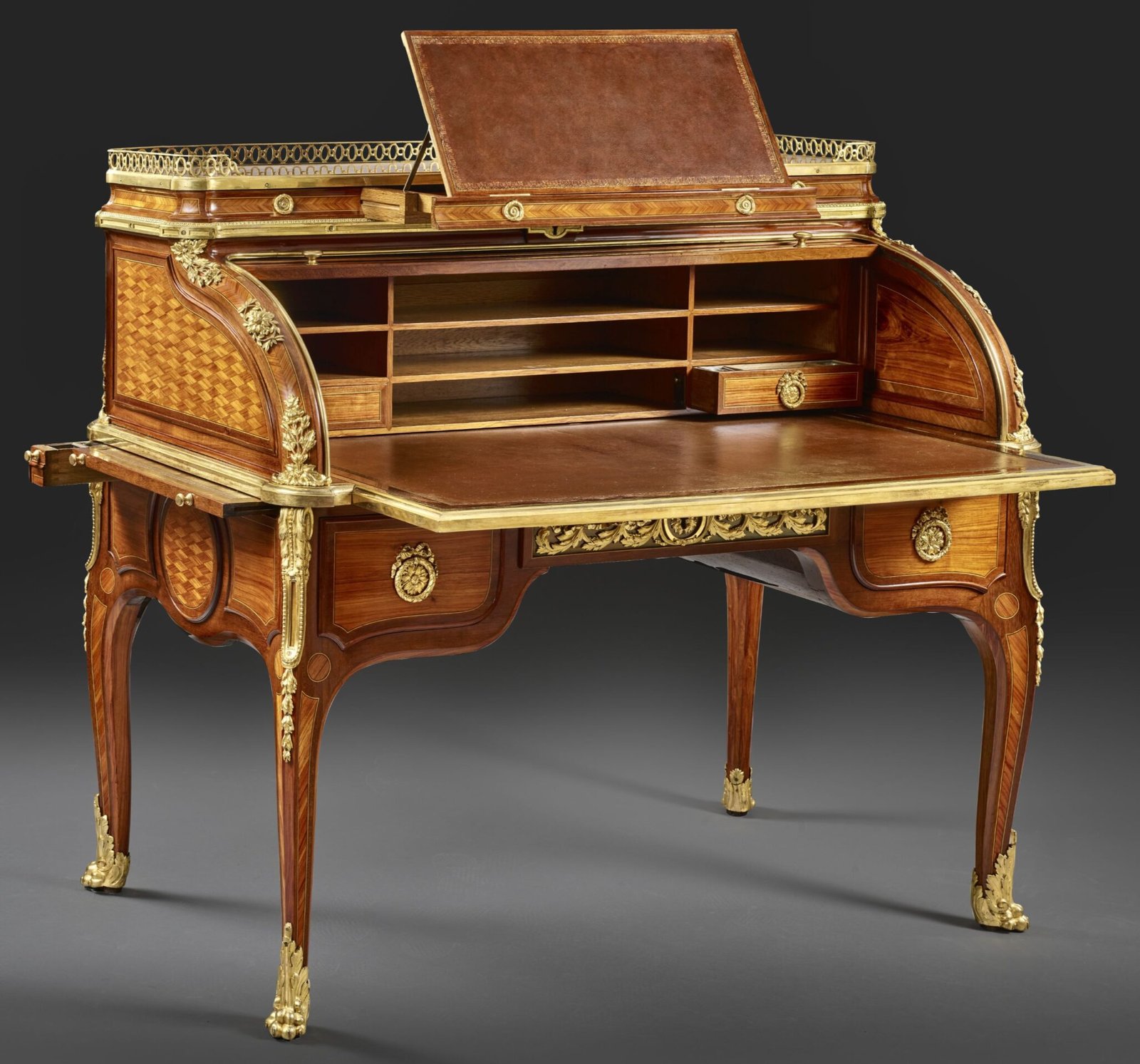
Fig. 5 - Jean-Henri Riesener, Roll-top desk, open, circa 1775–1785, Galerie Léage
This particular example stands out for its two sliding side shelves, each fitted with an inkwell. An adjustable writing surface is concealed within the central drawer of the superstructure, itself supplemented by a writing compartment in the adjacent drawer. It is also the only example to feature a circular motif on the side panels, whose elegant molding perfectly complements the shape of the legs (Fig. 5).
Of remarkable quality, these desks were produced for the cabinetmaker’s elite clientele. The desk now at Woburn Abbey was delivered in 1774 to the Garde-Meuble for Randon de La Tour, then Controller General of the household of the Comtesse de Provence. The example in the Louvre was delivered in 1784 for the use of Marc-Antoine Thierry de Ville d’Avray, before being installed two years later in the cabinet of the Comte de Provence at the Château de Fontainebleau (Fig. 6).
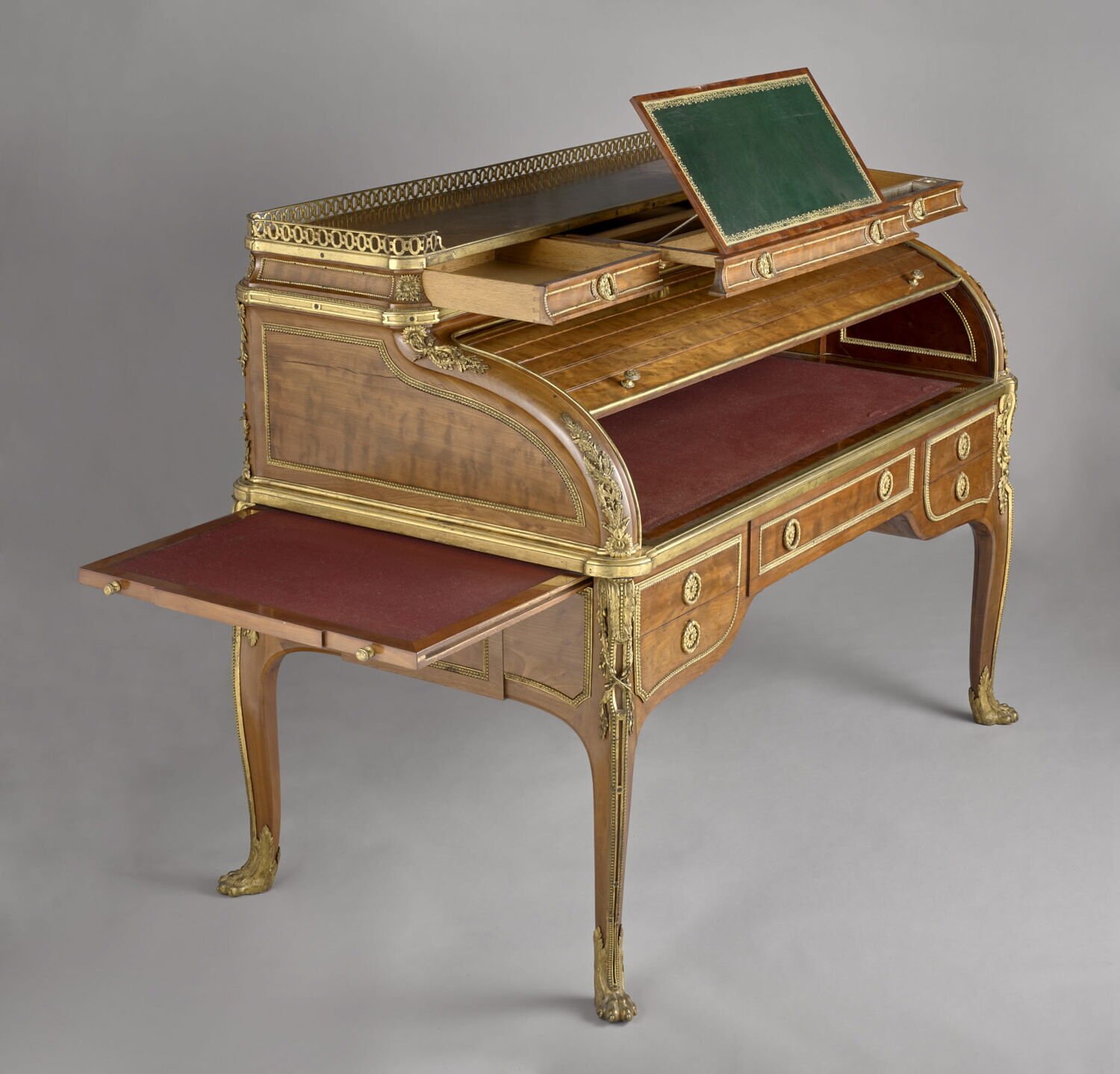
Fig. 6 - Jean-Henri Riesener (cabinetmaking), Roll-top desk, delivered at the Garde-Meuble de la Couronne for Marc-Antoine Thierry de Ville d’Avray in 1784, then placed in the Cabinet intérieur of the Comte de Provence at Fontainebleau in 1785, 1784, Paris, Musée du Louvre (inv. OA 5160)
© 2020 GrandPalaisRmn (musée du Louvre) / Stéphane Maréchalle
ENGLISH COLLECTORS OF FRENCH FURNITURE
Following the French Revolution, English collectors sought in French furniture both the excellence of Ancien Régime craftsmanship and a form of nostalgia for that period. The revolutionary sales of the 1790s brought a significant number of rare pieces onto the market, which dealers and collectors across Europe eagerly acquired. In the early 19th century, English collectors regularly traveled to Paris to purchase masterpieces from the previous century, often maintaining residences there.
From the 1820s onward, Riesener’s works were particularly sought after in England. Alongside André-Charles Boulle, he became one of the emblematic artisans of 18th-century France, and his works entered major collections. King George IV, William Beckford, George Watson Taylor, and the Rothschild family all owned pieces of remarkable provenance, some of which are now held at the Wallace Collection, Waddesdon Manor, or within the Royal Collection (Fig. 7).
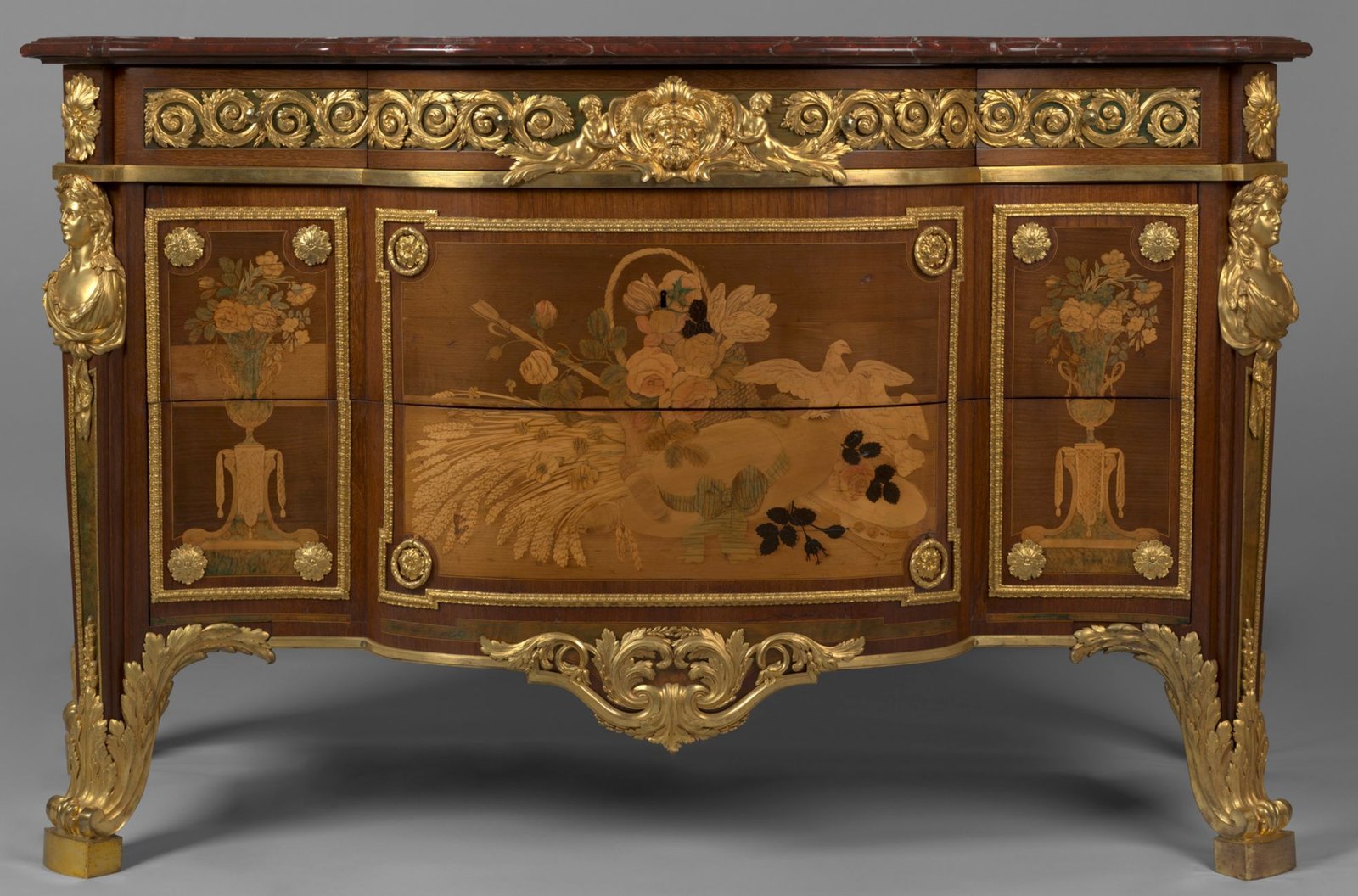
Fig. 7 — Jean-Henri Riesener (cabinetmaking attributed to), Chest of drawers, delivered for Louis XVI in 1774 at Versailles, 1774, Royal Collection Trust (inv. RCIN 21213), sold to Jean-Georges Treuttel in 1794, then George Watson Taylor collection, then acquired by Fogg for George IV
© Royal Collection Enterprises Limited 2026 | Royal Collection Trust
Riesener’s name became so renowned that it evolved into more than an attribution—it became a descriptive term in auction catalogs for floral marquetry furniture or pieces adorned with particularly rich gilt-bronze mounts.
Three of the pieces from the studied group were notably held in English collections. This roll-top desk was owned by Stephens (1801–1860) and Yolande Lyne Stephens (1812–1894) at Lynford Hall in Norfolk. Among the wealthiest collectors of their time, they assembled an important collection of French art across their various properties, including the Hôtel de La Vaupalière on Rue du Faubourg Saint-Honoré in Paris.
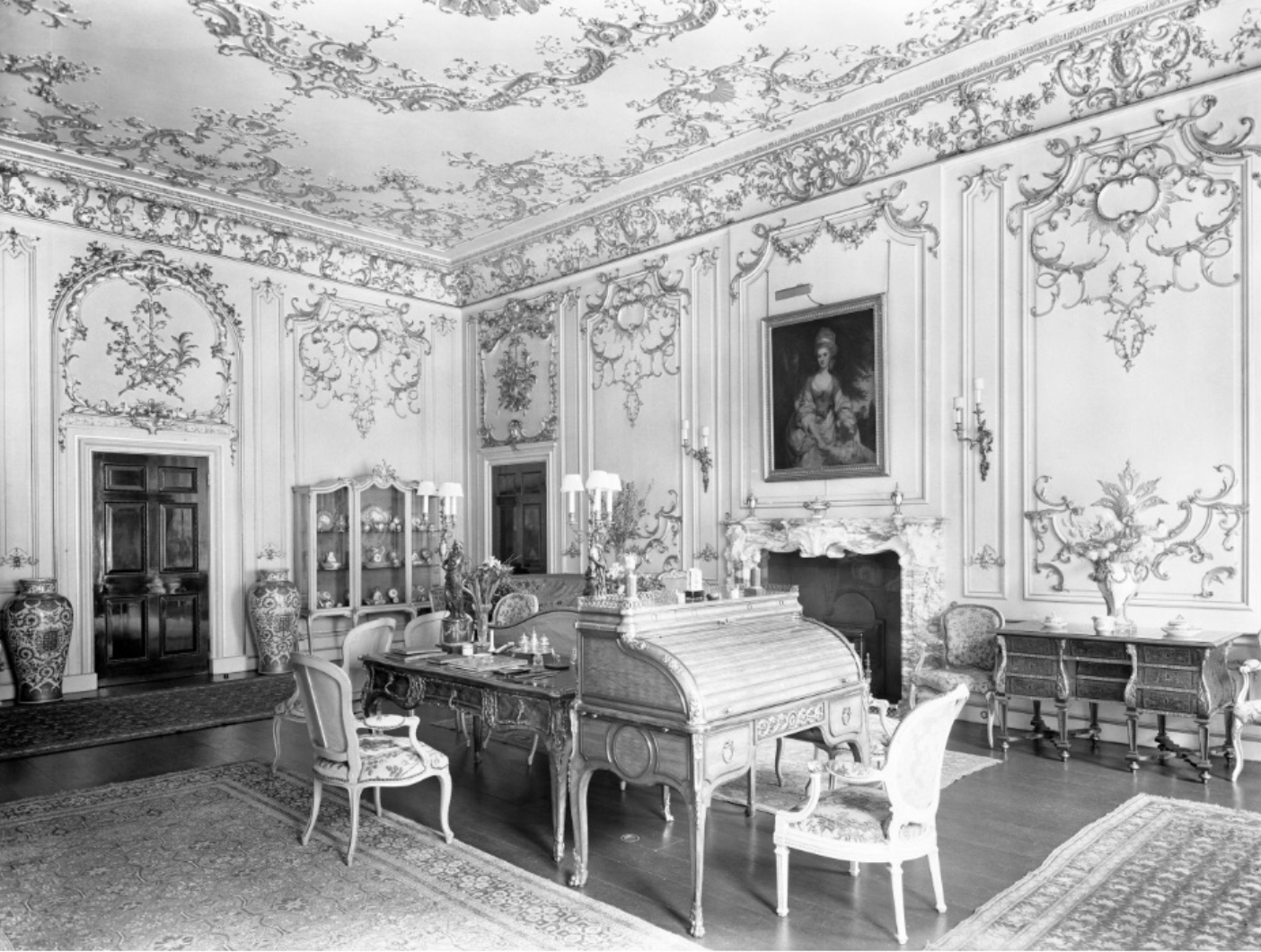
Fig. 8 - The roll-top desk in the Drawing room at Chesterfield House, London, 1931
In 1894, the desk was acquired by Ludwig Neumann (1859–1934), and in 1919 it was recorded at Chesterfield House in the collection of Princess Mary and her husband George Lascelles, 6th Earl of Harewood (1882–1947) (Fig. 8). In 1950, it changed hands once again, entering the collection of Ivor Guest, 2nd Viscount Wimborne (1903–1967), thus completing its distinguished journey through major English collections.
Click here to discover the desk
Bibliographie
Jacques Charles, De Versailles à Paris, Le Destin des Collections Royales, Paris, 1989
Helen Jacobsen, Bird Rufus, Jackson Mia, Jean-Henri Riesener. Cabinetmaker to Louis XVI and Marie-Antoinette, Londres, Philip Wilson Publishers Ltd, 2020.
H. Granville Fell, « Chesterfield House, Mayfair », Apollo, vol. 15, mai 1932
Alexandre Pradère, Les ébénistes français de Louis XIV à la Révolution, Paris, Éditions du Chêne, 1992.
Pierre Verlet, Le mobilier royal français, Paris, Picard, 1992

