
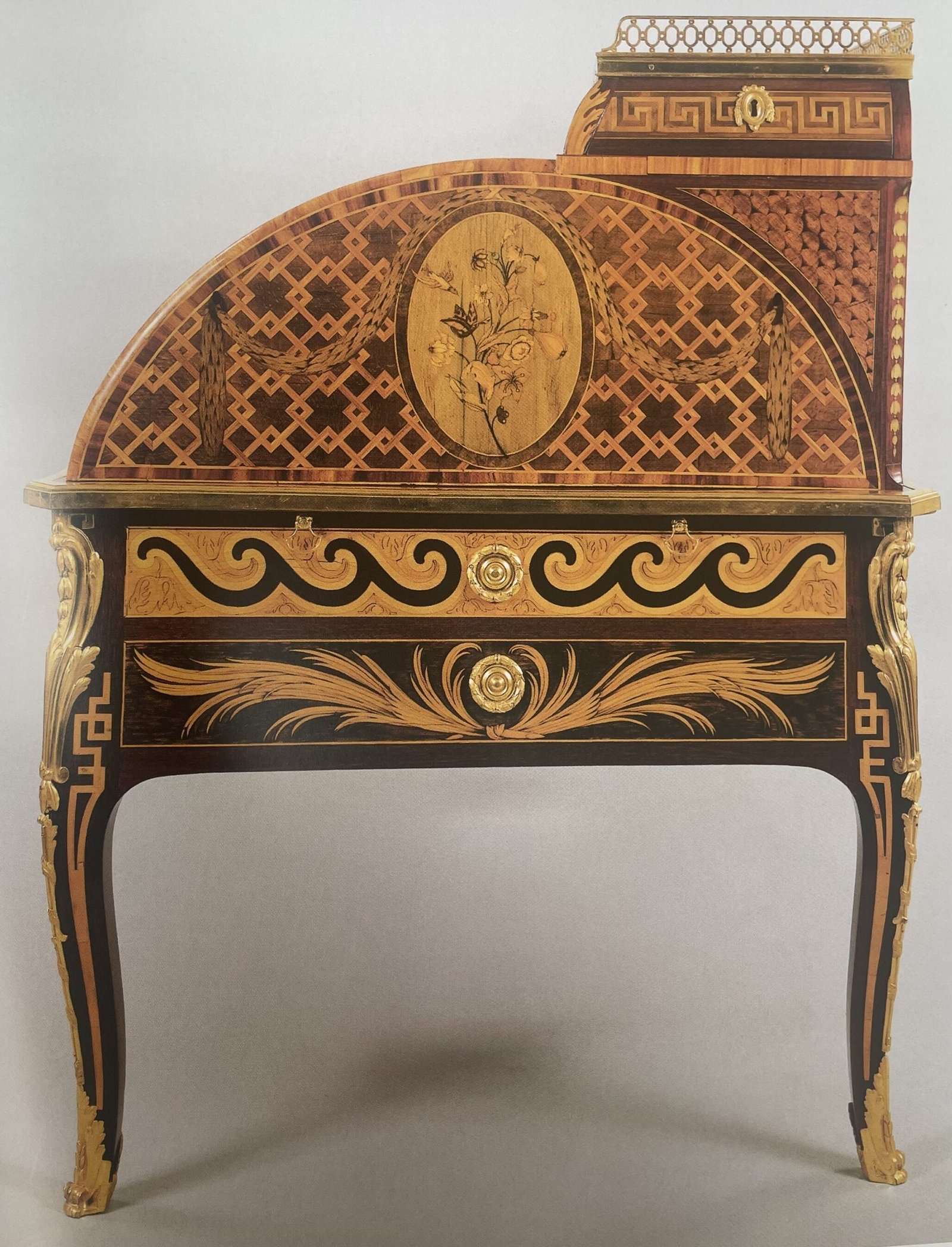
A dynasty of cabinetmakers from the Dauphiné, the Hache produced furniture of singular form and decoration throughout the eighteenth century. Maintaining ties with the Parisian trades, they devised pieces of great richness intended for the regional nobility.
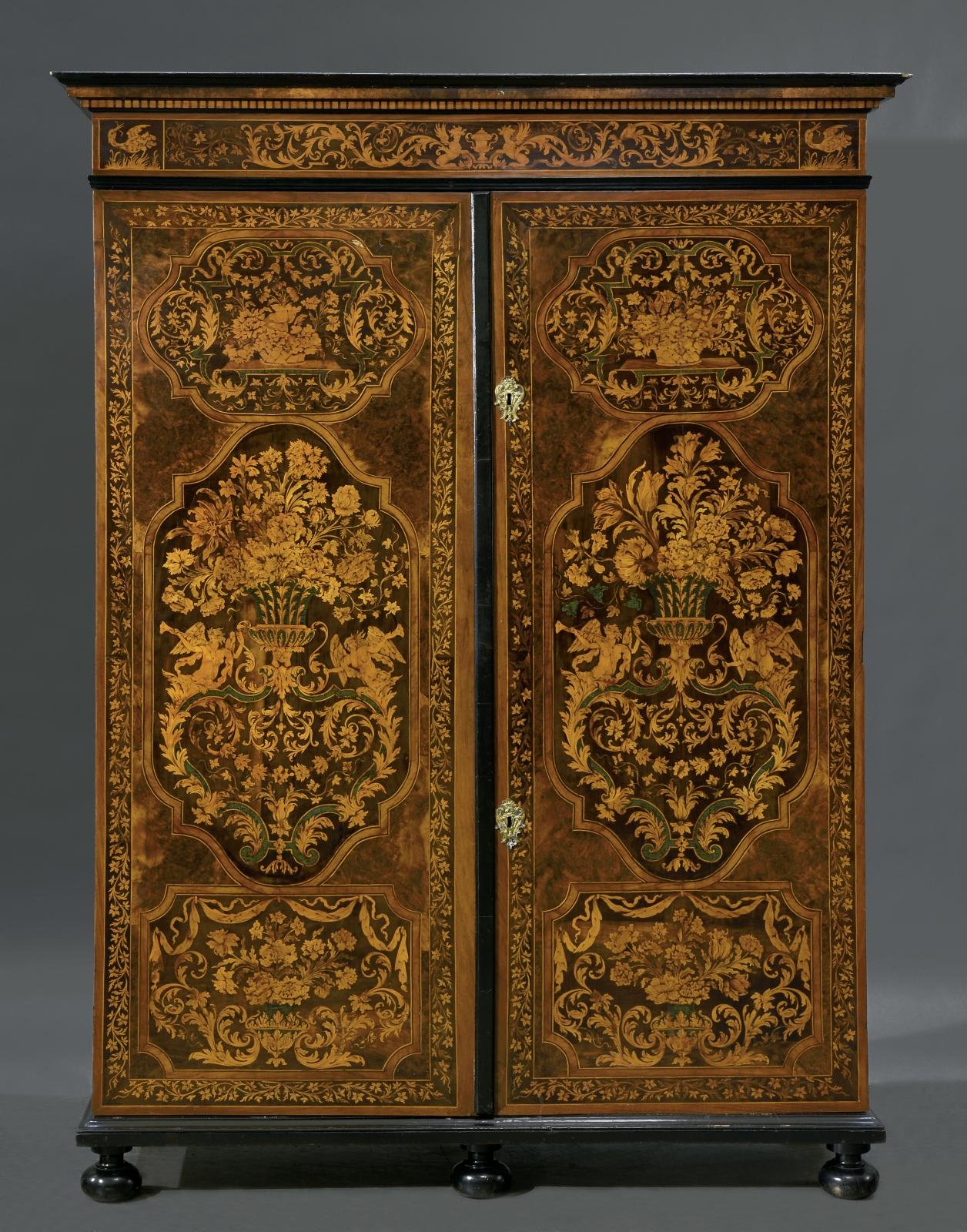
The capital of the Dauphiné, Grenoble was an important center in the eighteenth century. Though modest in size, it was home to a great many noble families who stimulated its economy. The seat of the parlement du Dauphiné, where seventy councilors convened, it also accommodated numerous magistrates and a sizable garrison. Several hospitals developed thanks to generous patronage, and a Jesuit college took in as many as four hundred students. The founding in 1774 of the Affiches, annonces et avis divers du Dauphiné, modeled on the celebrated Parisian periodical, embodied the ambition of a province eager to assert its cultural influence. This concentration of wealth gave rise to a flourishing trade, particularly in the field of furniture. The members of the parlement and the surrounding nobility, wishing to live in luxury, sought from craftsmen sumptuous creations in the latest taste, which the Hache were the first to supply throughout the century.
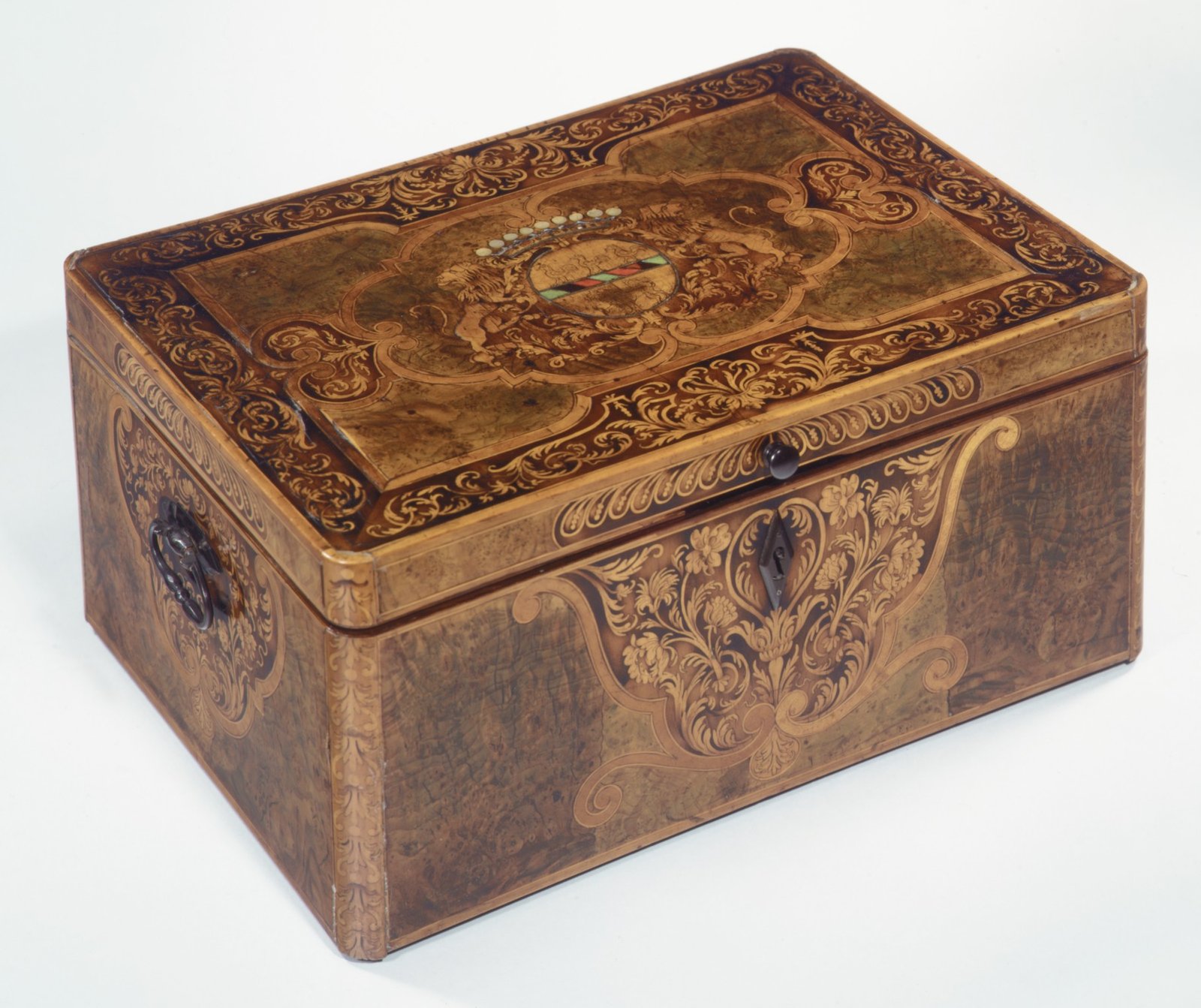
After an apprenticeship in Toulouse and a stay in Chambéry, Thomas Hache (1664–1747) was the first to settle in Grenoble, where he became a master cabinetmaker in 1701. Exceptionally gifted, he developed original forms and decoration that made his workshop and his shop the most renowned in the city. As early as 1725, his only son, Pierre (1705–1776), was working at his side in the workshop on the rue Neuve de Bonne, present-day rue Voltaire. The latter’s own son, Jean-François (1730–1796), joined him around 1750, as the workshops expanded and moved to the place Claveyson. The Hache then enjoyed a great reputation, which each generation upheld brilliantly. Cabinetmakers, joiners, and dealers in various small furnishings, objects, and hardware, they supplied the entire nobility with wares of every kind. These were itemized on the labels they sometimes affixed to their works, serving as both signature and advertisement. Toward the end of the century, the Hache were called upon to direct the complete refurbishment of entire apartments, such as those of the château de Longpra or those of the intendant Pajot de Marcheval.
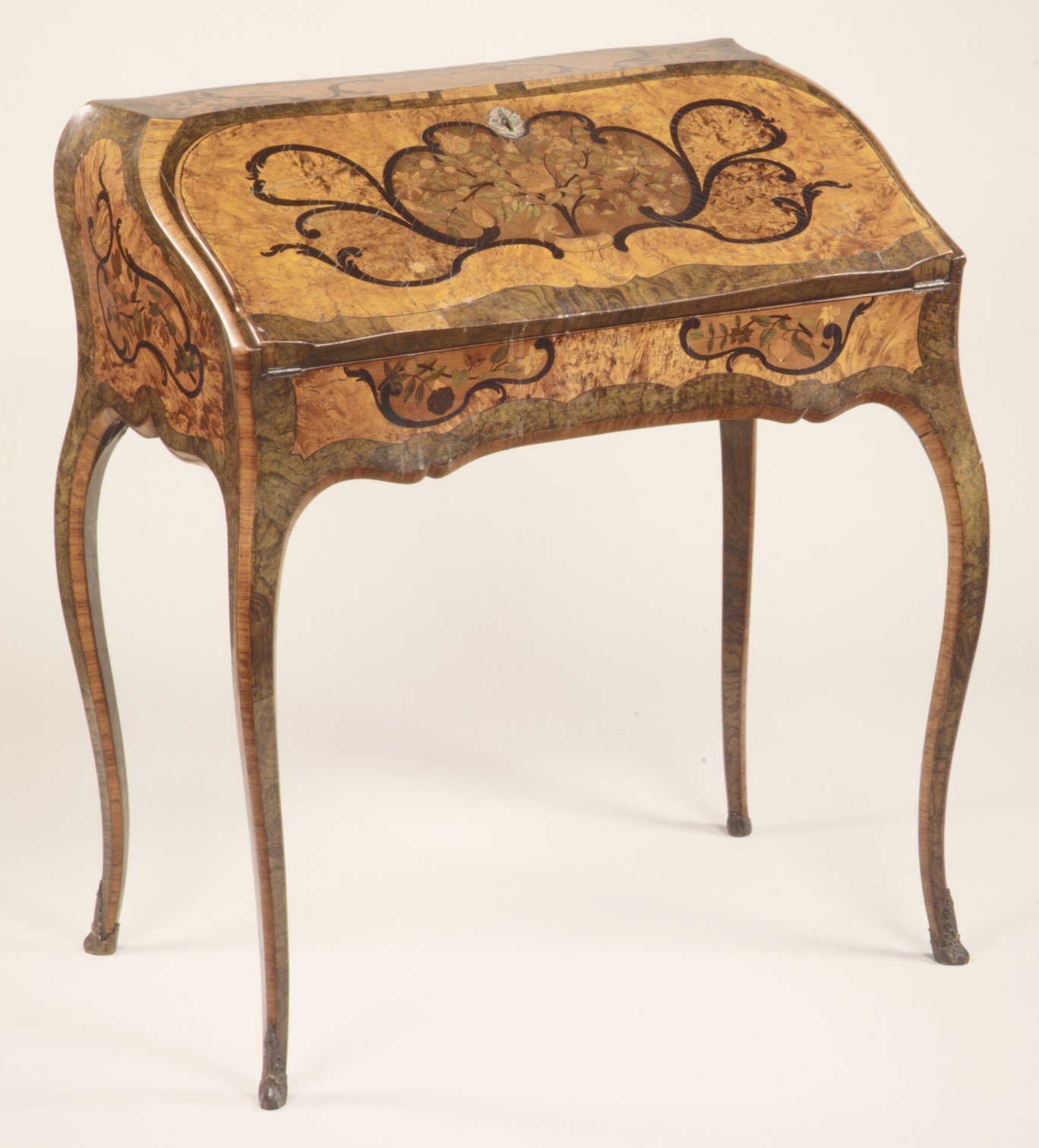
Their manner is distinguished first of all by the materials and techniques employed. Unlike Parisian cabinetmakers, the Hache preferred the woods of the Alps to exotic ones—walnut, sorb, ash, olive, pear, laburnum, maple, fir, larch… They sought out burls, roots, and burrs with intricate figuring, which they tinted in vivid colors. Masters of the art of marquetry, the Hache deployed superb compositions across their works, combining bouquets of flowers, scrollwork, and geometric motifs. Other materials were sometimes incorporated into their decoration—bone or ivory for the small flowers, and, on rare occasions, pewter. Under the Italian influence of his stay in Chambéry, then part of the Duchy of Savoy, Thomas decorated some of his earliest armoires with scagliola colored green, blue, or red. Perfectly executed, the work of the Hache is striking for the contrast of its colors and the grain of its woods, which lend it great decorative force.
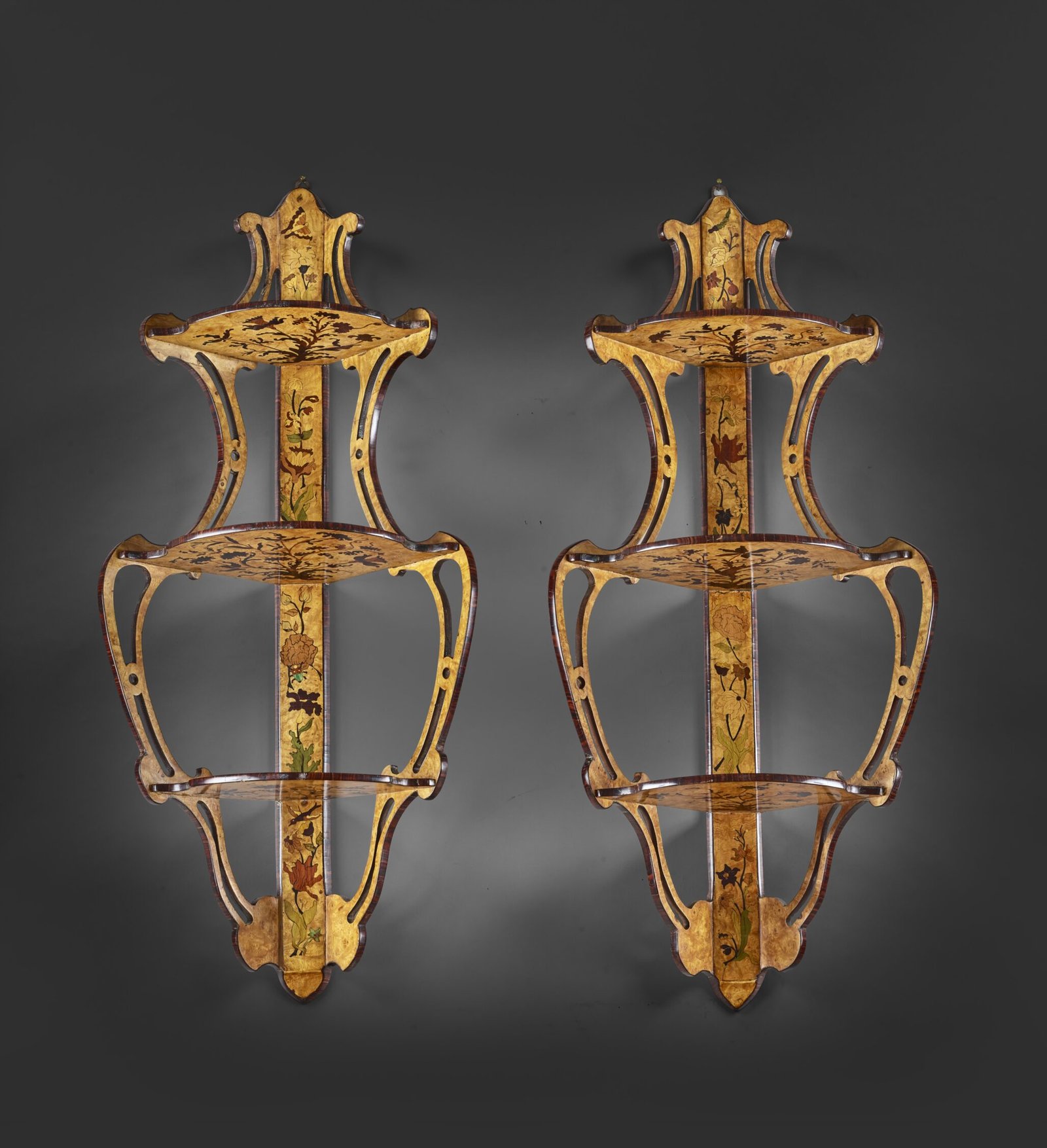
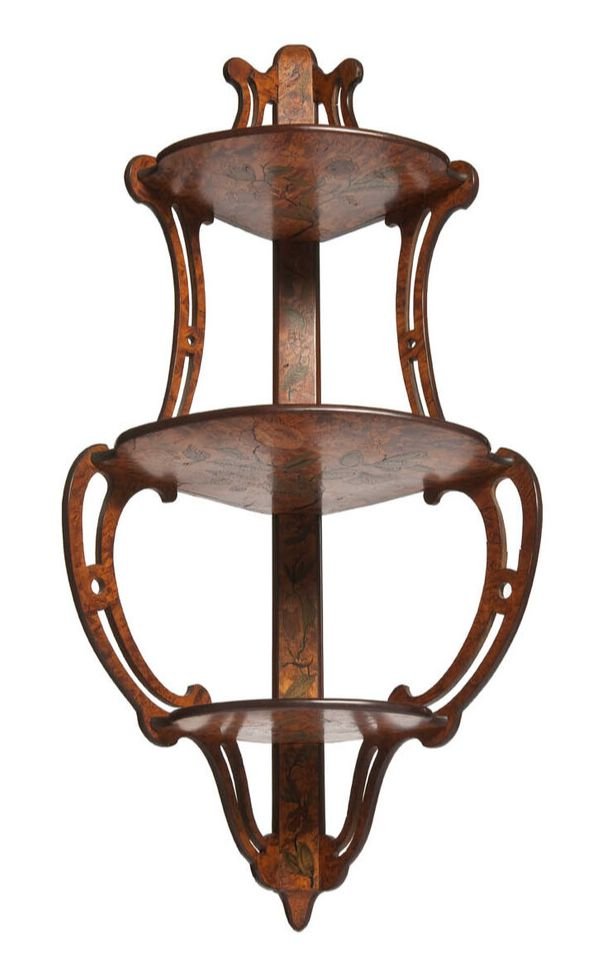
© Les Arts Décoratifs / Jean Tholance
Throughout the century, the Hache workshop followed the evolution of Parisian taste. Each generation appears to have spent time in Paris or to have maintained ties with certain cabinetmakers of the capital. Influenced by the work of Pierre Gole (1620–1684), Thomas Hache took up his floral marquetry as well as the latest formal inventions of the reign of Louis XIV—the cabinet on stand, the commode, and the desk. Pierre, for his part, developed a Louis XV taste evident in the drawing of his naturalistically rendered foliage. Jean-François, who stayed in Paris around 1755, brought back from it an ornate goût grecclose to that of Jean-François Œben (1721–1763). From this cabinetmaker he adopted cubes sans fond marquetry, Greek-key friezes, flowered medallions, and the form of the roll-top desk. Œben, moreover, appears in the records of a 1756 lawsuit pitting the Hache against a former workman. Thus every taste of the eighteenth century found a distinctive expression in the art of the Hache.
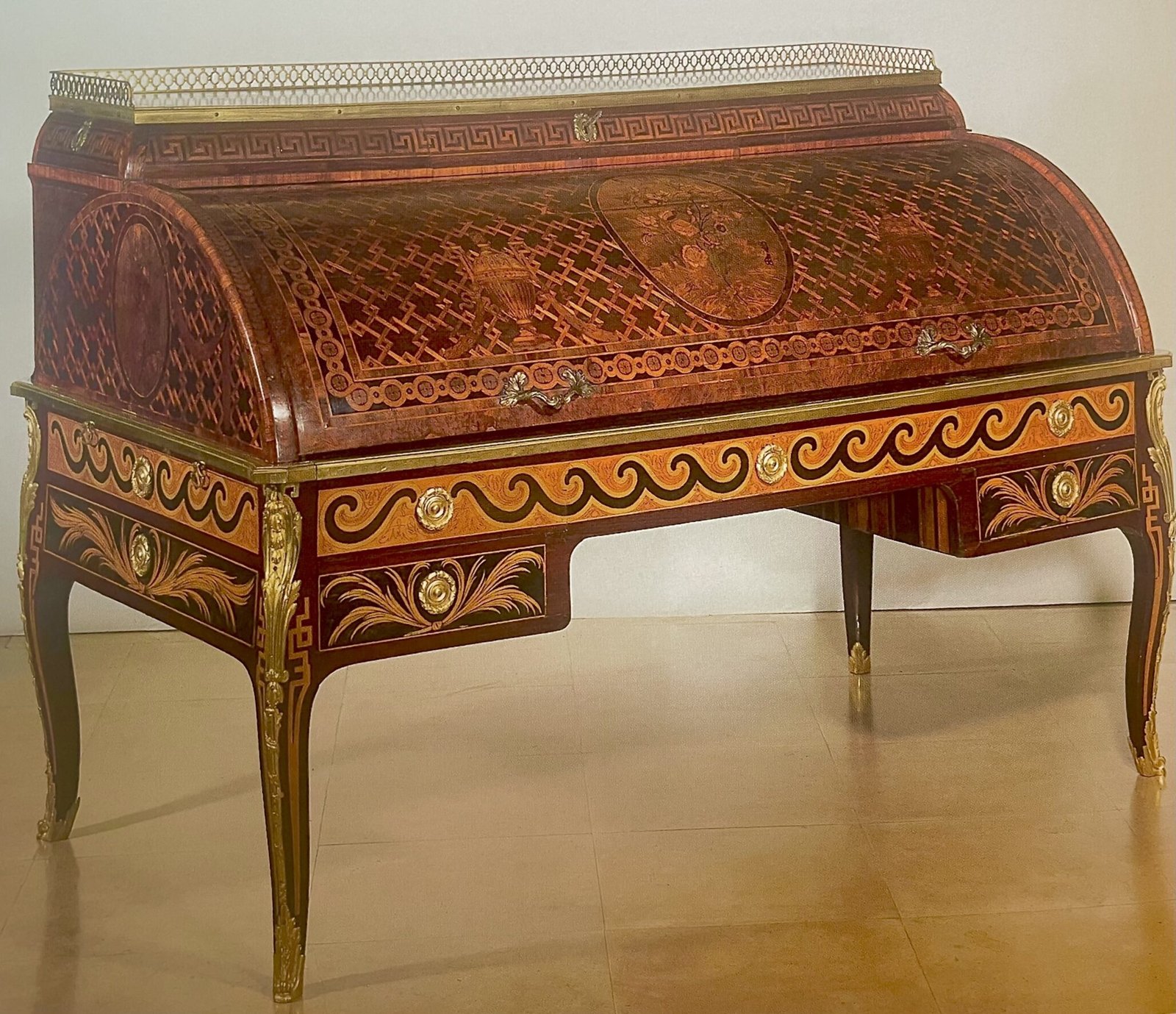
In 1788, Jean-François handed over the management of the workshop to his brother Christophe-André (1748–1831). The upheavals of the French Revolution and a difficult economic climate, however, imperiled the Hache enterprise, which eventually ceased its activity.
Bibliography:
Evelyne de Franclieu, Quand les Hache meublaient Longpra, Glénat, 2010
Pierre Rouge, Françoise Rouge, Le génie des Hache, Éditions Faton, 2005
Marianne Clerc, Hache, Ébénistes à Grenoble, Glénat, 1997

